
GRAZING AND ECOSYSTEM SERVICES: CONGRAZENETEU AT THE 4TH GRAZING IN THE NETWORKS CONFERENCE IN LEÓN, SPAIN
ConGrazeNetEU attended the 4th Grazing in the Networks conference in León, Spain, a two-day meeting on grazing and ecosystem services, and on how society could pay for them.
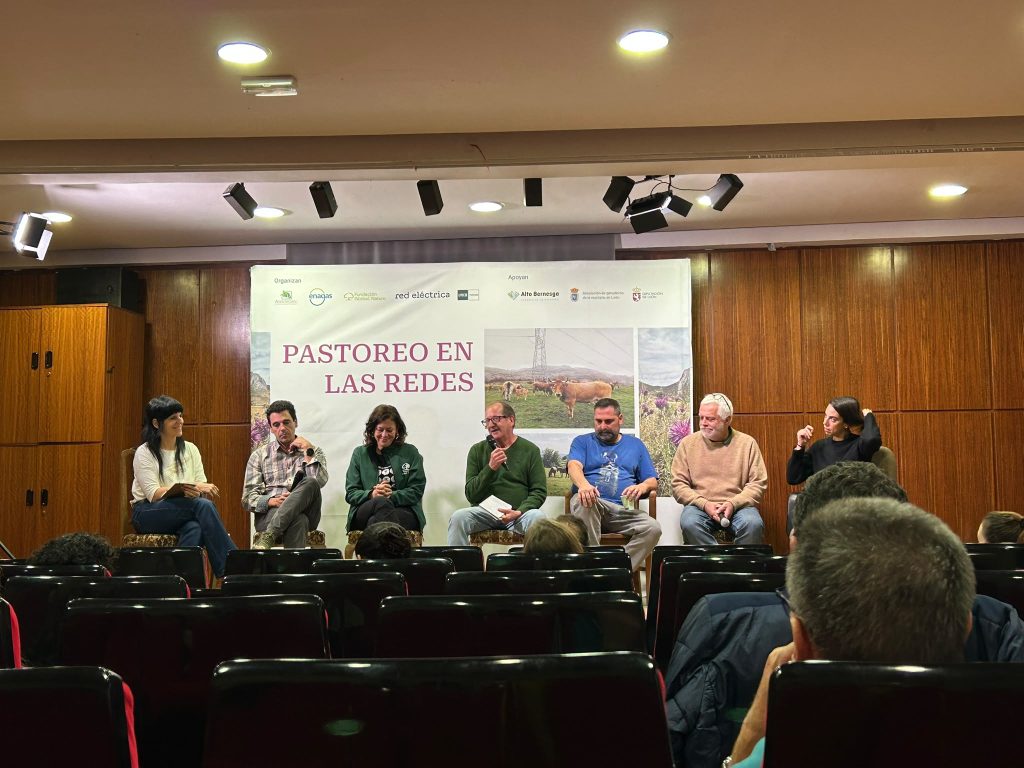
On 29 and 30 October 2026, La Pola de Gordón (León, Spain) hosted the fourth edition of the Grazing in the Networks conference (Jornadas Pastoreo en las Redes). The meeting focused on what extensive livestock farming does for ecosystems, soils and land management. It brought together shepherds and livestock farmers, shepherd schools, technicians, researchers, NGOs, energy companies and public administrations. ACOBIJA attended on behalf of ConGrazeNetEU.
Grazing in a biosphere reserve
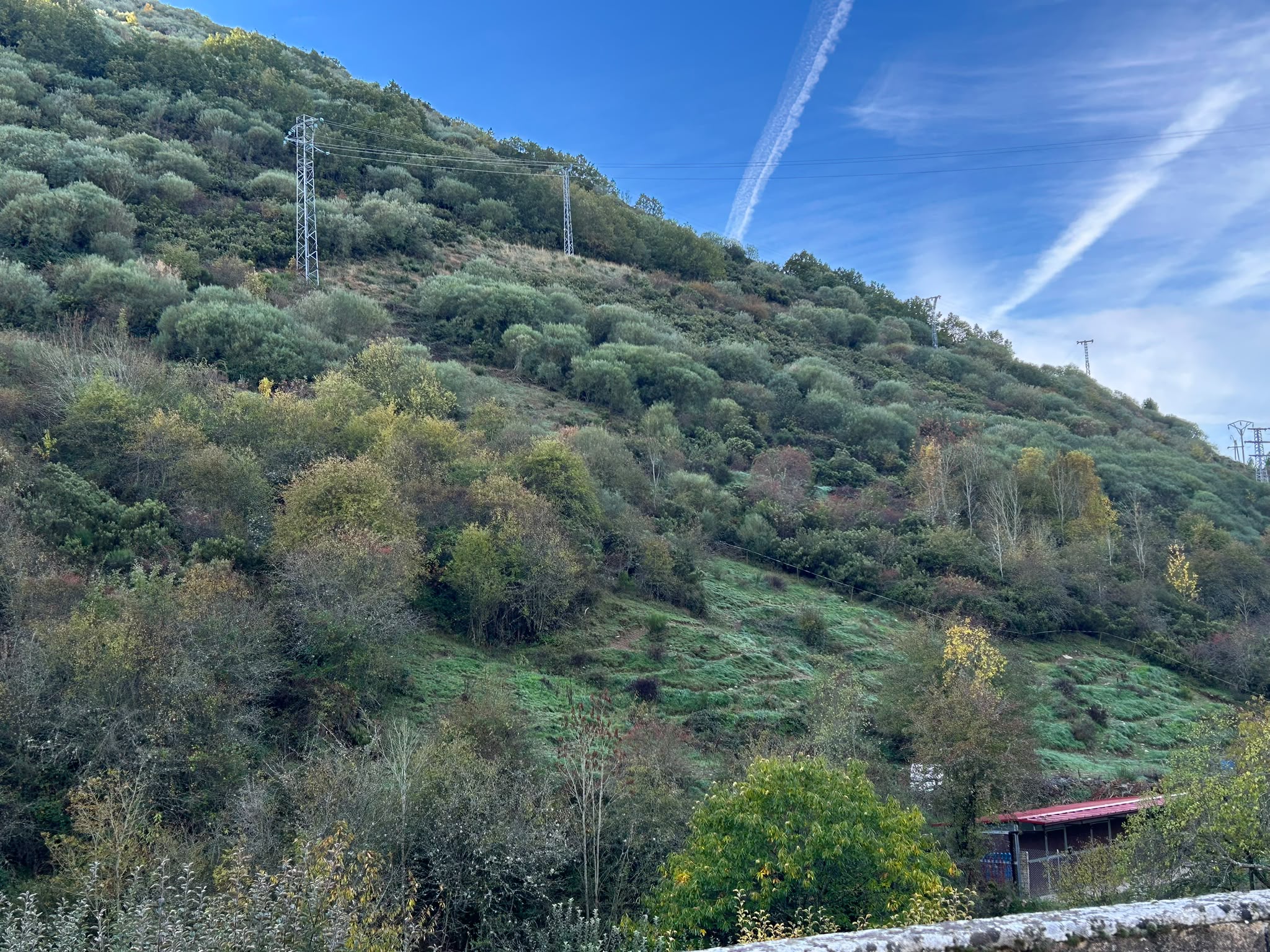
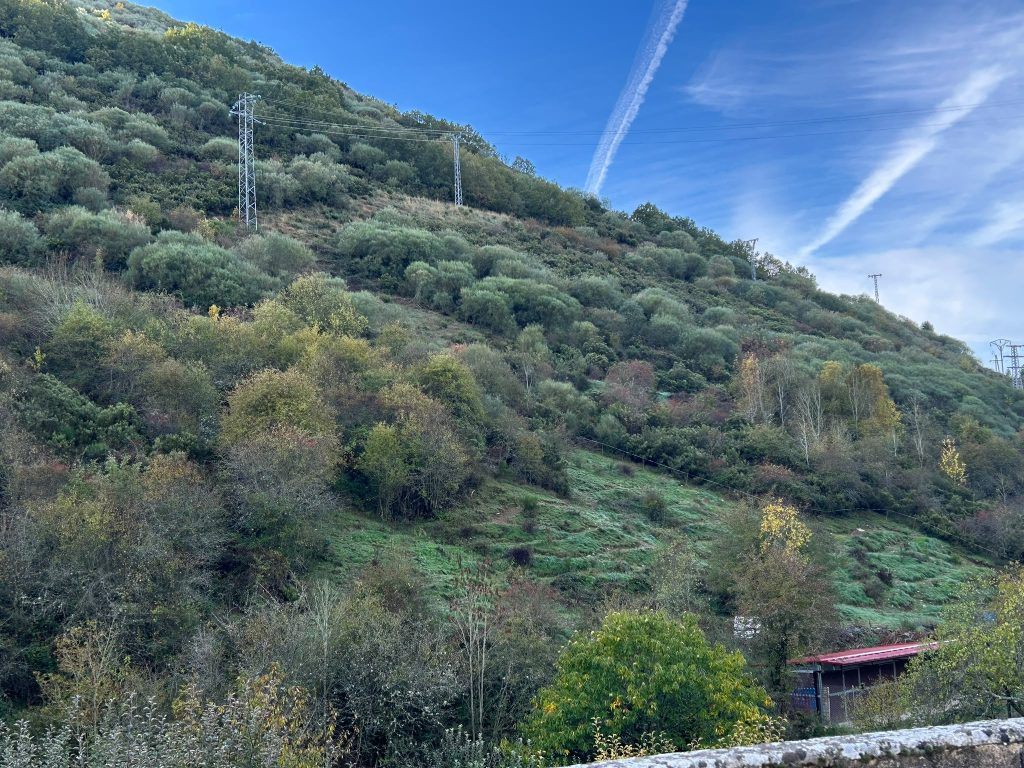
La Pola de Gordón lies in the Alto Bernesga Biosphere Reserve, in the Cantabrian Mountains. Its meadows, pastures and open slopes are the result of centuries of livestock use. However, as in many mountain areas of Europe, grazing has declined. As a result, scrub is expanding and the risk of wildfire is increasing.
Why “grazing in the networks”?
The name of the conference refers to a local initiative started in 2022. Since then, flocks and herds have grazed the vegetation under high-voltage power lines and along gas pipelines, replacing part of the mechanical clearing. Local shepherds carry out the grazing, and the companies that manage the energy networks fund it. In other words, a private company pays for a service that grazing provides: keeping vegetation low and reducing fire risk.
Grazing and ecosystem services: what the talks covered
The first day combined research, policy and practical experience. The talks covered:
- the ecosystems of the Cantabrian Mountains and their relationship with livestock use;
- differences in biodiversity between grazed and ungrazed areas, based on monitoring in the reserve;
- a results-based CAP payment for high nature value hay meadows in Navarra, where farmers receive payments according to the biodiversity found in their meadows;
- the involvement of companies in payments for ecosystem services, with the case of Dehesa El Baldío;
- the use of woody forest material as livestock feed;
- the Vilamós project in Val d’Aran (Lleida).
Finally, the day closed with a debate among all the speakers.
Soil health and dung beetles in the field
The second day began with a talk on soil health and the control of intestinal parasites in ruminants. This topic links directly to the conservation of dung beetles and other soil fauna, which many birds and mammals depend on.
Afterwards, participants moved to the field in Casares and Folledo. There, they learned to identify dung beetles and other indicators of soil health and biodiversity in grazed and ungrazed areas. In addition, earlier monitoring in the reserve has reported more insects, pollinators and flowers, and less combustible plant biomass, where livestock graze.
Paying for grazing and ecosystem services: pilot cases
The cases presented in León are pilot experiences, developed in specific places and conditions. Therefore, they are not yet general practice. Even so, they show different ways of linking grazing and ecosystem services to a payment: through public agricultural policy, through private companies, or through a combination of both.
The grazing under power lines, for example, has spread from León to other Spanish regions. Meanwhile, results-based payments like the one in Navarra already exist in other European countries, such as Germany and Ireland.
Grazing in the Networks 2026: an open question
The central question of the conference is shared by many regions in Europe. How can society pay for the benefits of extensive grazing? And how can those payments reach the shepherds and farmers who carry out the work?
This question also connects with earlier ConGrazeNetEU activities. For instance, at the SERE 2026 conference in Brest, France, the project discussed grazing as a restoration tool. During the partner visits in Spain and Germany, farmers raised similar economic challenges.
How are grazing and ecosystem services linked to payments in your country? Join the discussion in the ConGrazeNetEU forum, share your experience and become part of the network.
Leave a Reply