
CONGRAZENETEU’S SECOND PARTNER VISIT: CONSERVATION GRAZING IN GERMANY
In August, ACOBIJA travelled to Schleswig-Holstein to see Bunde Wischen’s sites firsthand and discover how conservation grazing in Germany works on the ground, from Natura 2000 heaths to water buffalo pastures.
From 21 to 23 August, a member of ACOBIJA (Spain) visited Bunde Wischen eG for the second in-person partner visit of the ConGrazeNetEU project. In this way, ACOBIJA returned the visit that Bunde Wischen made to Aragón in May.
Over three days we met three very different grazing projects. In each one, we looked at how farmers manage the land and how Germany restores and values ecosystem services. We also compared the differences and similarities with conservation grazing in Spain.
Sheep grazing in a Natura 2000 site
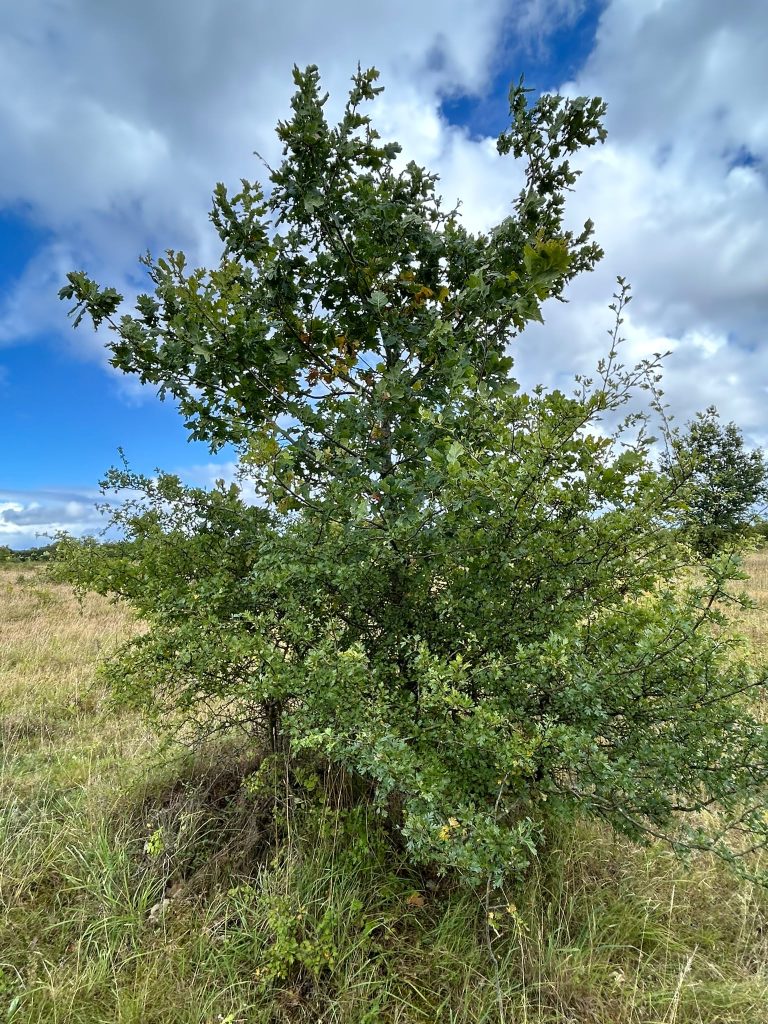
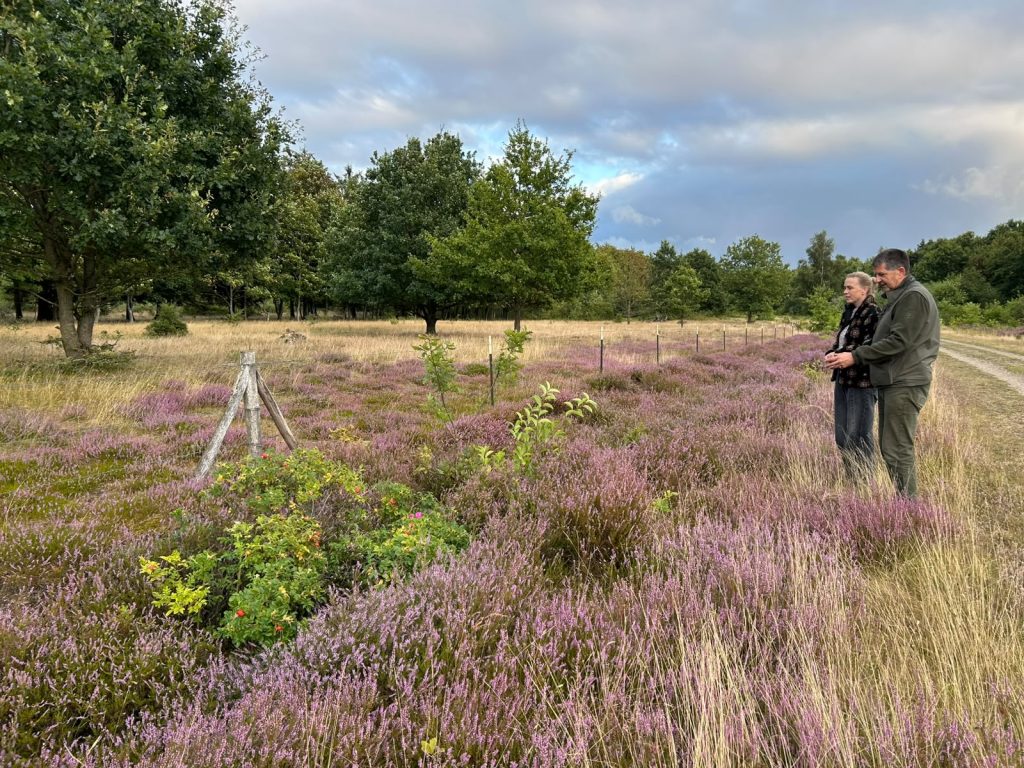
Our first visit took us to the Obere Treenelandschaft nature reserve, where we met a shepherdess whose flock grazes part of this Natura 2000 site. The reserve covers 1,674 hectares along the River Treene. In addition, it is a mosaic of woodland, bogs, wet meadows, heathland, dry grassland and inland dunes that the last Ice Age shaped.
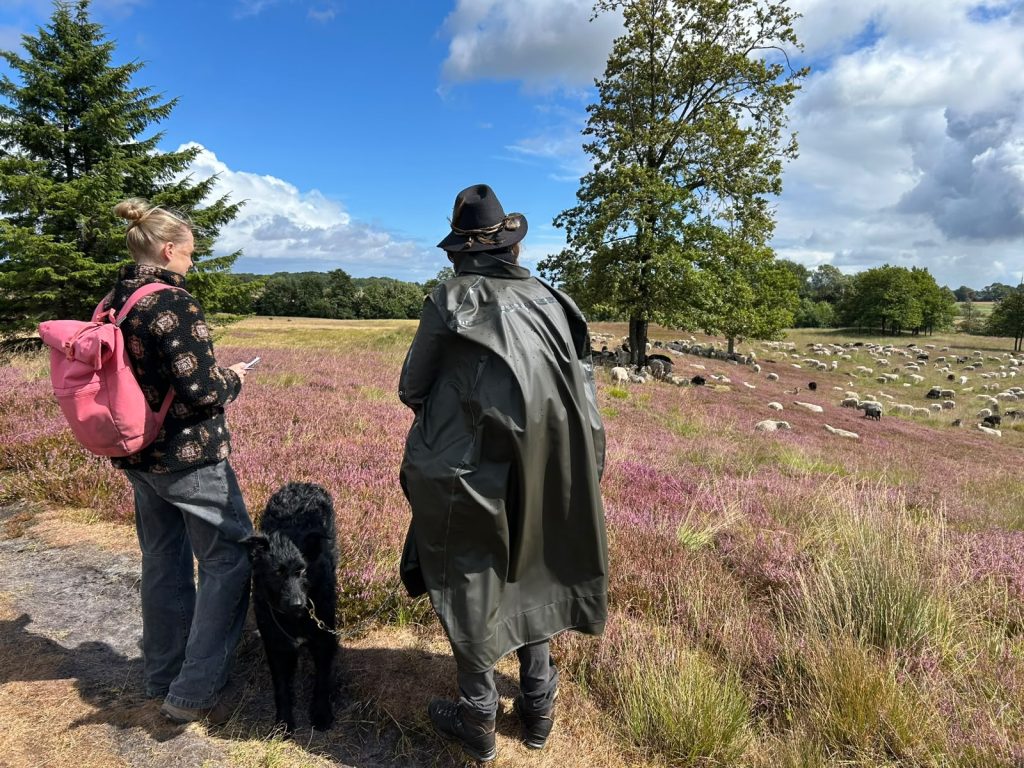
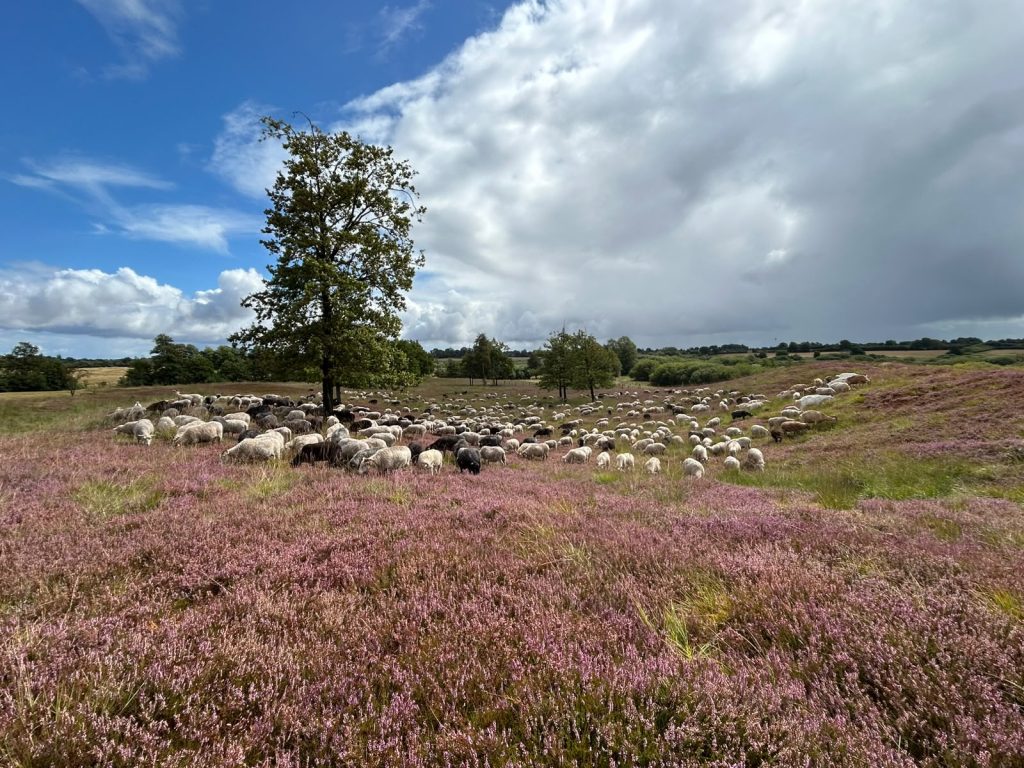
However, many of these habitats, especially heaths and dry grasslands, depend on grazing to stay open. She explained how she plans the grazing to maintain them, and how Germany values this work as an ecosystem service. We also discussed similarities and differences with the support for extensive grazing in Spain.
Bunde Wischen: conservation grazing in Germany with cattle and horses
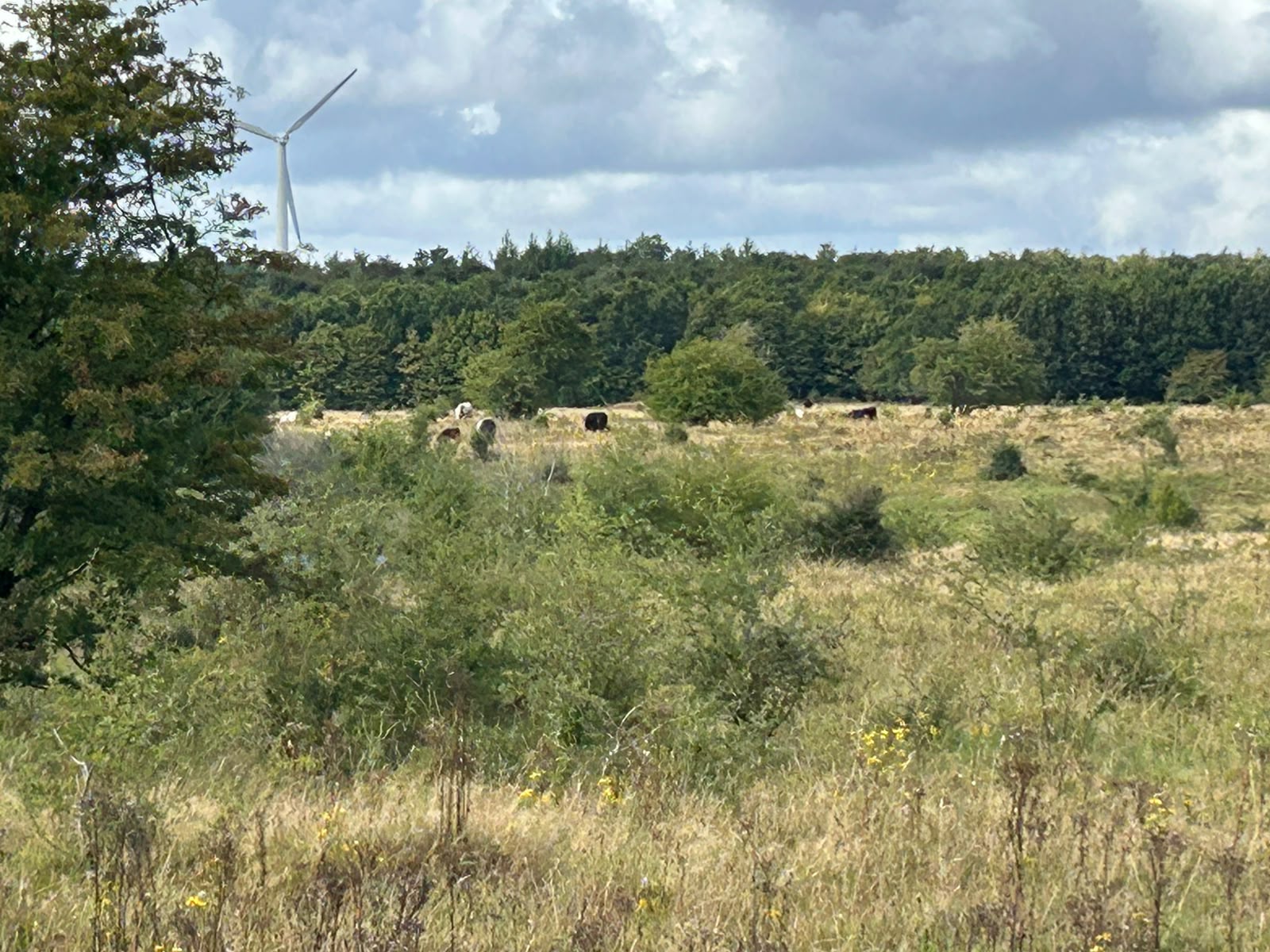
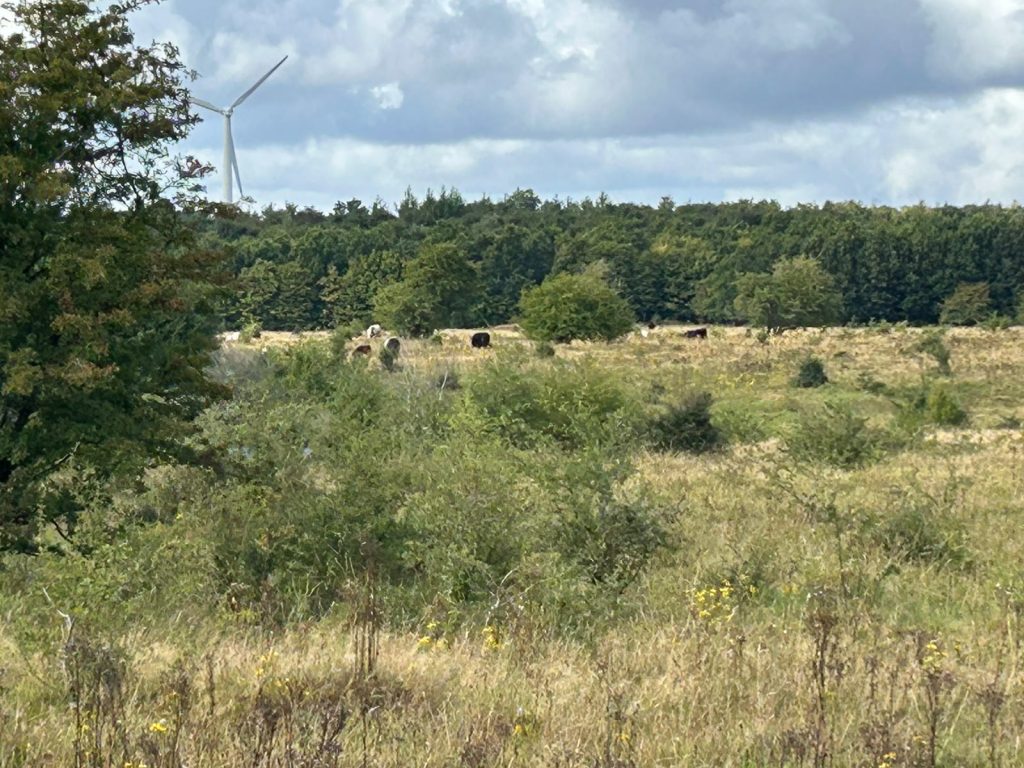
Bunde Wischen eG is an organic cooperative farm near Schleswig, on the Schlei, a Baltic Sea inlet. It began in 1986 as a small working group of the conservation organisation BUND. Today, it grazes more than 1,000 cattle on around 1,950 hectares of conservation land. For example, its main breed is the hardy Galloway, alongside Konik horses and the critically endangered White Park cattle.
The animals graze all year round and find what they need on the pastures. As a result, they help keep open landscapes rich in biodiversity. The cooperative also sells its own organic meat through its farm shop. This shows that conservation and a viable farm can go hand in hand.
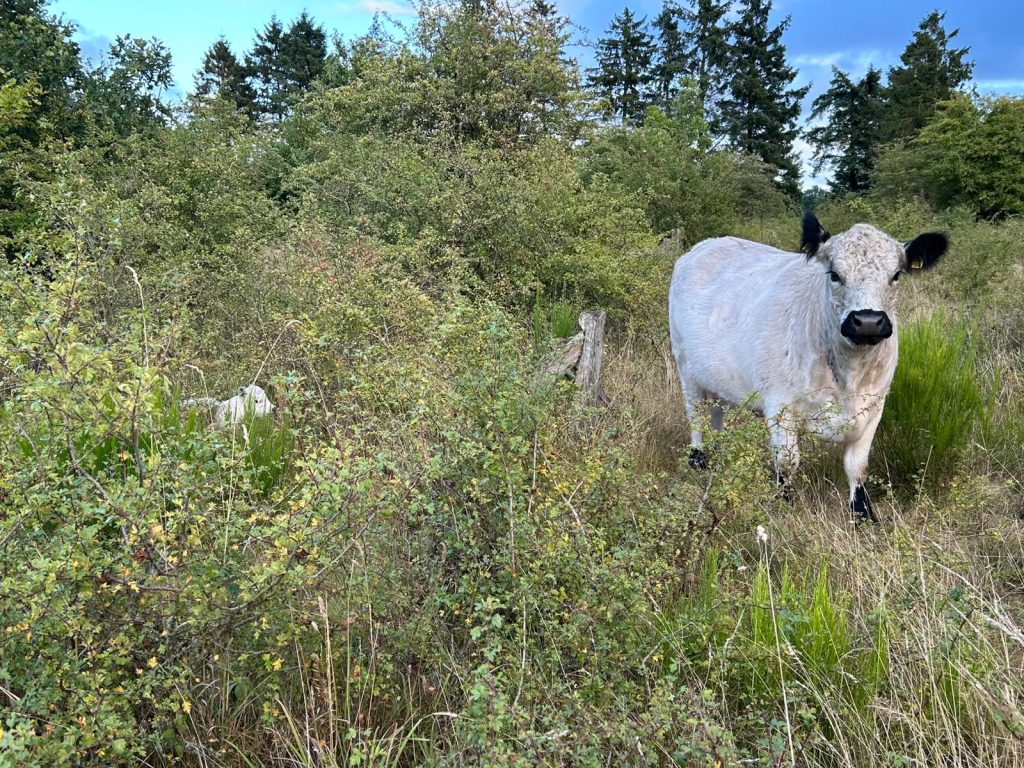
During the visit we met a newborn White Park calf in one of Bunde Wischen’s herds. Since she was born during the visit, Bunde Wischen kindly invited the ACOBIJA team to name her. The team proposed two names linked to traditional pastoralism in Aragón: “Somontana” and “Mallata”.
In the end, she was named….
Wine, local food and a walk through the wild pastures
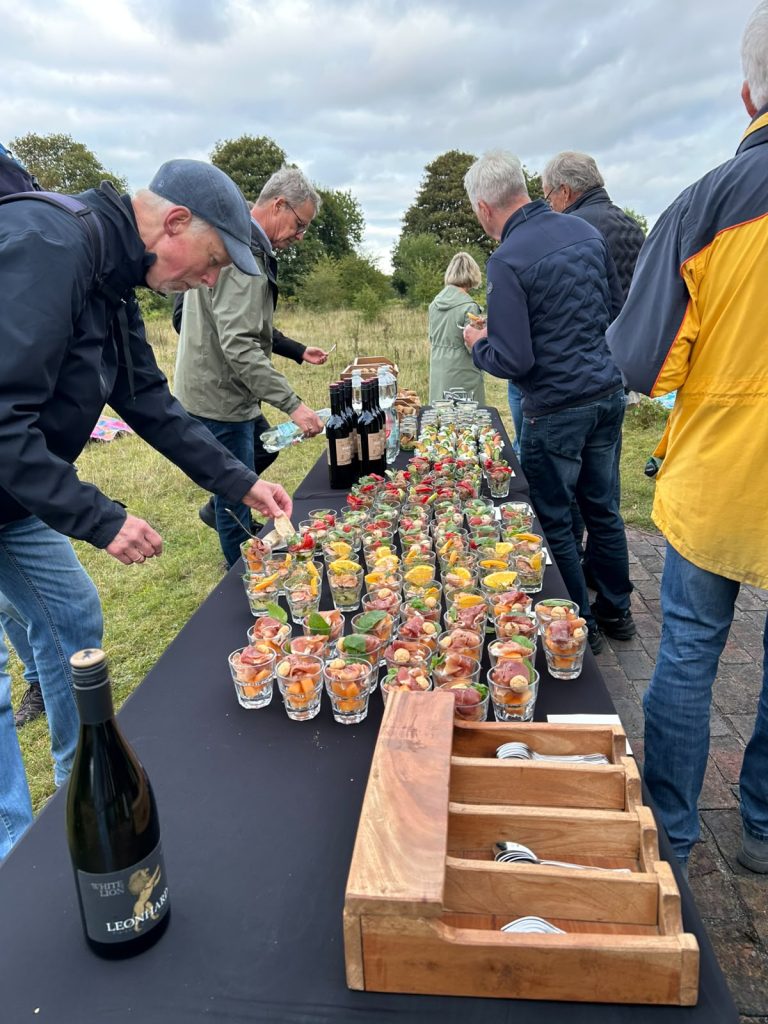
On 23 August we joined a guided walk and wine tasting at Stiftungsland Schäferhaus, part of the Naturgenussfestival. Participants walked through the wild pastures with Gerd Kämmer, Chair of Bunde Wischen eG. During the walk, he explained how Galloway cattle and Konik horses shape the landscape. Along the way, they tasted selected wines paired with tapas made with organic meat from Bunde Wischen’s pastures.
For ACOBIJA, this was one of the highlights of the visit: an enjoyable and interactive way to bring people closer to conservation grazing while promoting local, organic products.
It is an idea ACOBIJA would love to adapt to its own territory in Aragón.
Water buffalo with a new generation of farmers
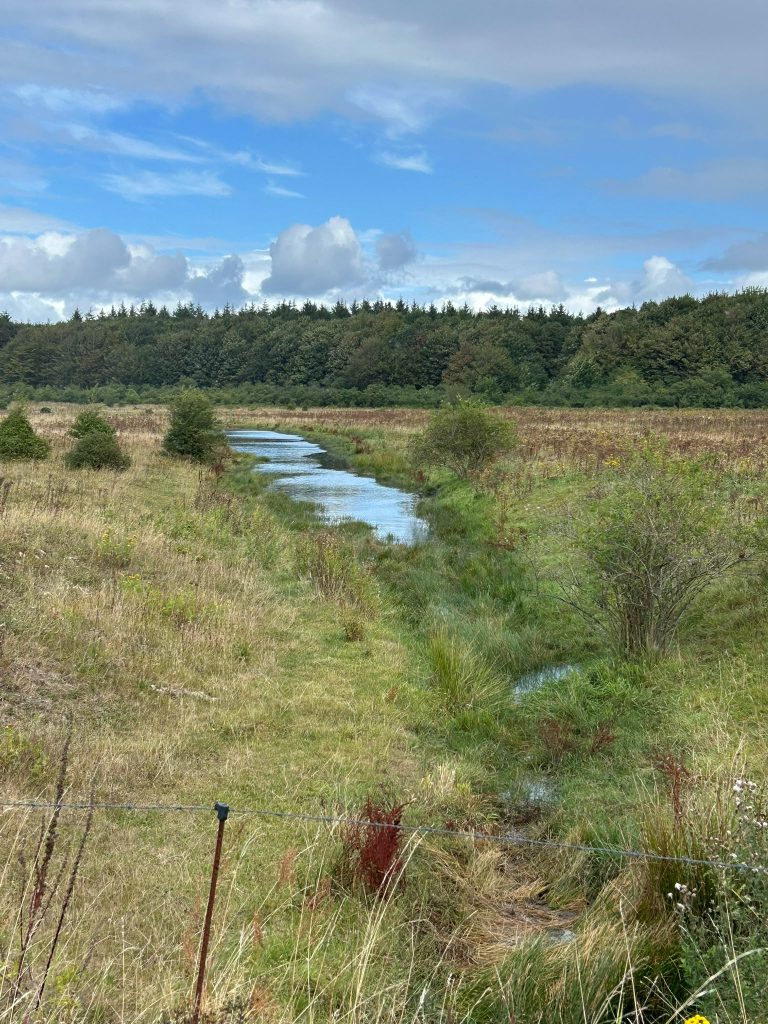
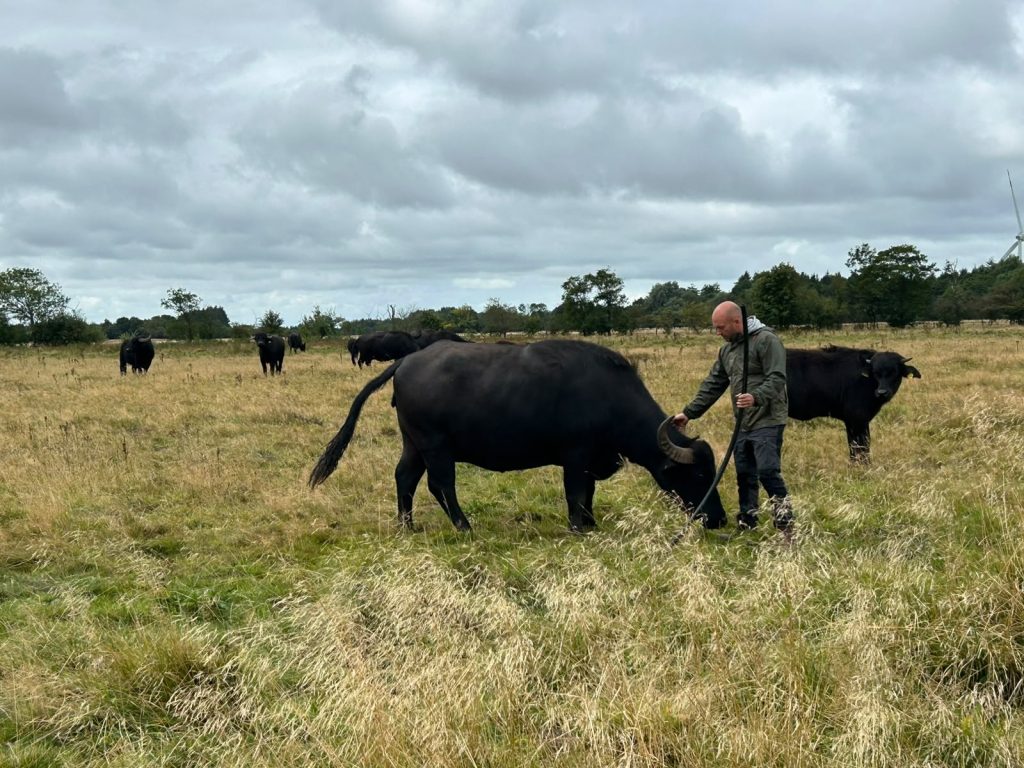
Finally, we visited a young farming couple who, with advice from Bunde Wischen, have started a water buffalo herd at Stiftungsland Schafflunder Mühlenstrom, a restored stream valley in the Natura 2000 network. Their grazing keeps its wet meadows open for species such as the lapwing, the common spade-foot toad and the marsh fritillary butterfly. It is a hopeful example of how buffalo can support conservation and generational renewal in extensive livestock farming.
Working together on ConGrazeNet EU
Between visits, we made time to work together on ConGrazeNet itself. We shared ideas, moved forward with pending tasks on the online forum and the project’s social media, and prepared the presentation of ConGrazeNet for the SERE Conference (Society for Ecological Restoration Europe).
The conference took place in Brest, France, from 24 to 28 August. There we presented the project in session “Grazing as a conservation and restoration tool”, as an example of how European collaboration can strengthen conservation grazing.
If you would like to learn more about the objectives, activities and partners of the project, visit the project overview page.
Leave a Reply