
BUNDE WISCHEN AND ACOBIJA HOLD FIRST PARTNER VISIT IN ARAGÓN, SPAIN
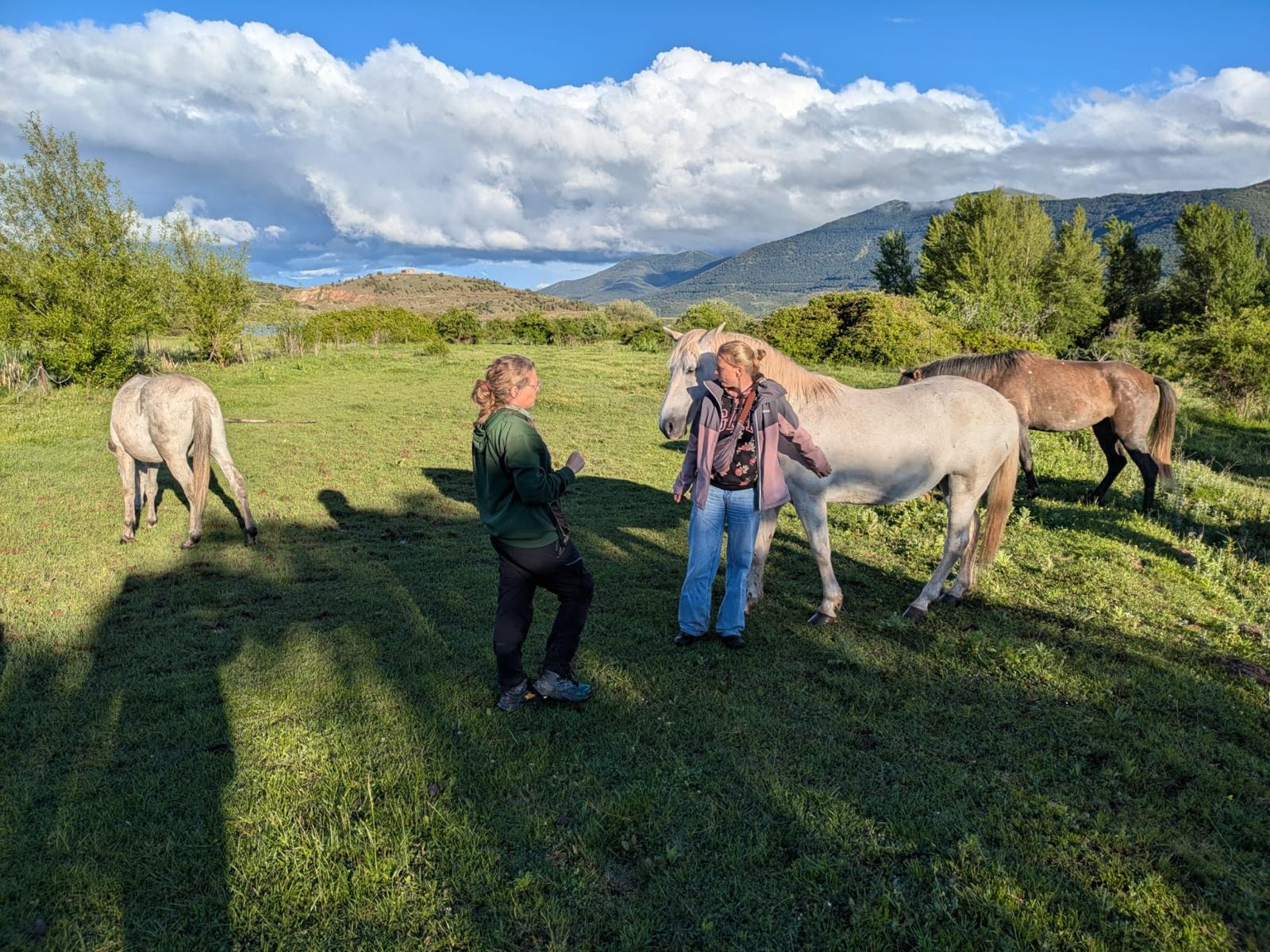
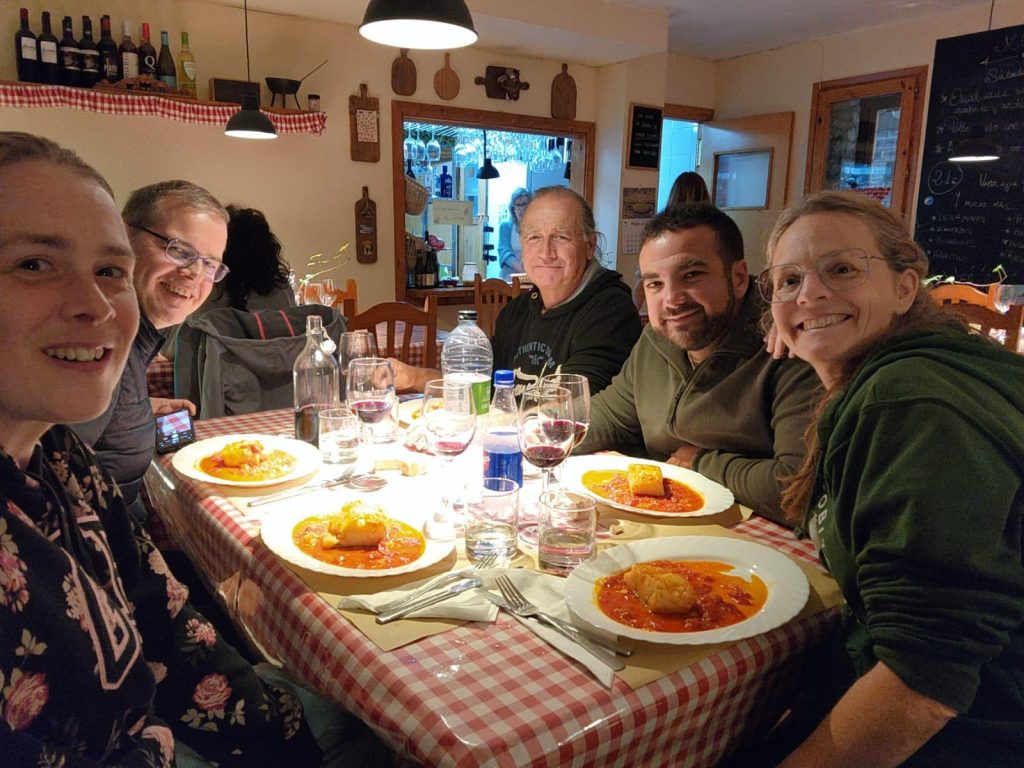
From 8 to 11 May, we held the first in-person partner visit of the ConGrazeNetEU project, with a team member from Bunde Wischen eG (Germany) travelling to Aragón to work alongside ACOBIJA (Spain).
We combined hands-on project work with time in the field, meeting local farmers who put conservation grazing into practice.
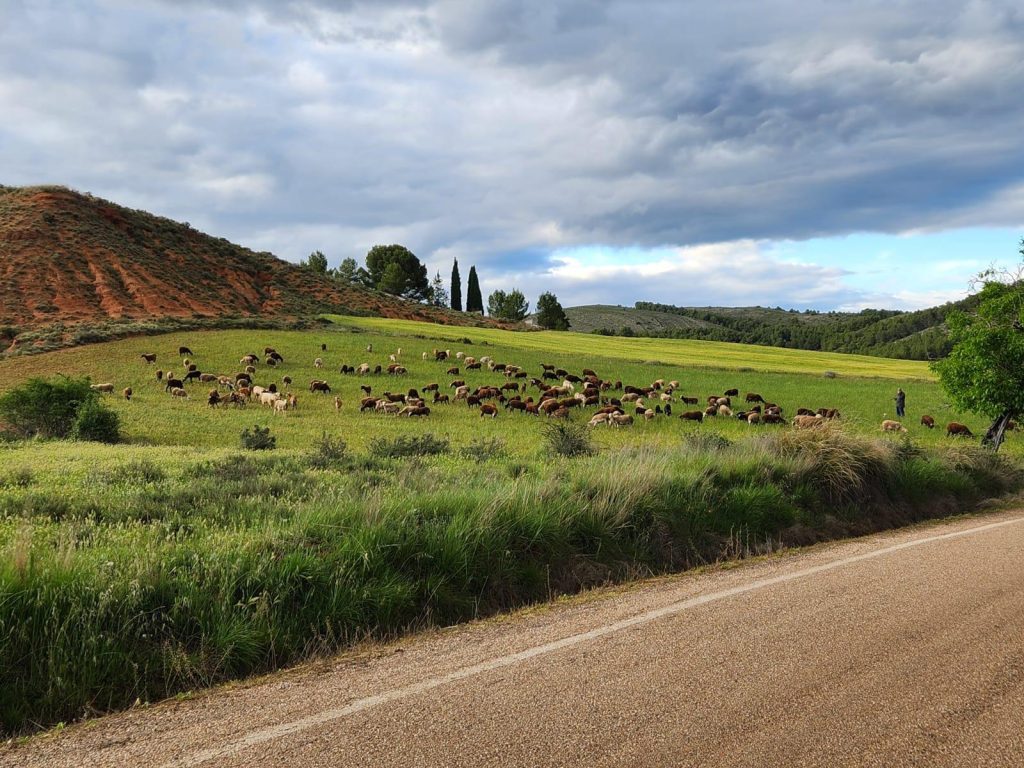
Goats in the Gallocanta Steppe
The first stop was Torralba de los Sisones, in the Gallocanta area. There we visited Marta, of Entrecabritos, who manages a herd of goats.
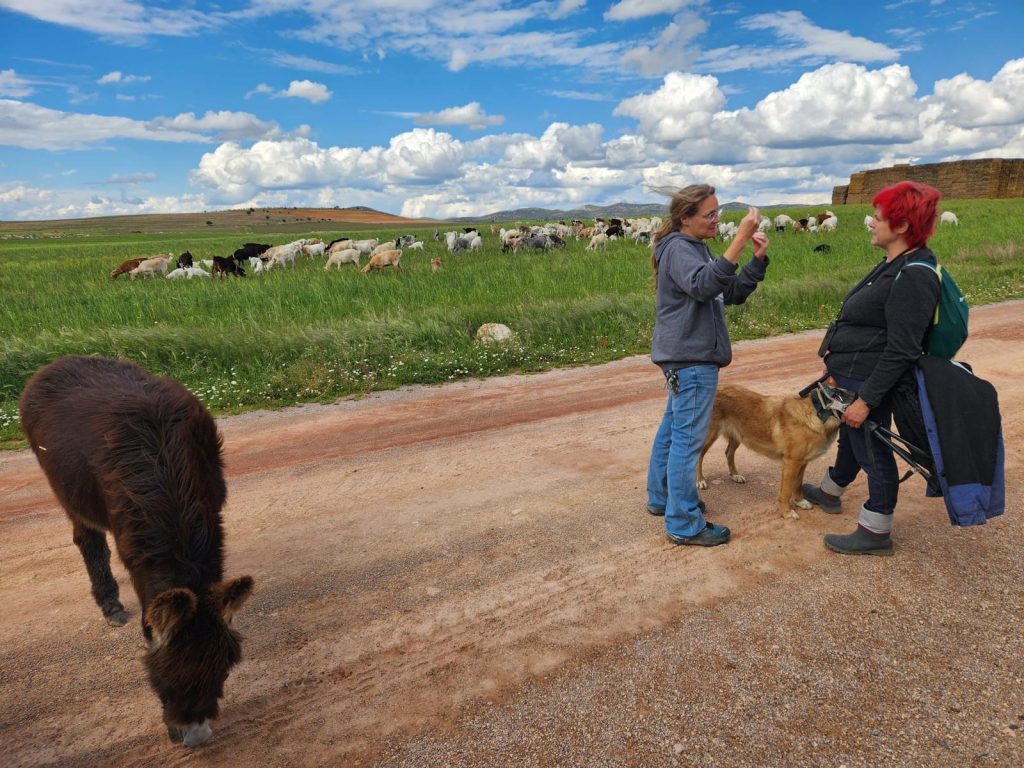
Gallocanta is Western Europe’s largest saline lagoon. It is a Ramsar wetland and a Natural Reserve protected under Natura 2000. Each year it hosts around 200,000 common cranes on migration. Its steppe habitat, home to species like the great bustard, depends on well-managed extensive grazing to stay open.
Building the Website and Forum
We then set aside a day for the project itself. Both partners worked jointly on launching the ConGrazeNetEU website and online forum. Sitting down together let us align on structure, content and the forum’s user experience — something that’s hard to do over a video call.
Cattle and Horses Around Moncayo
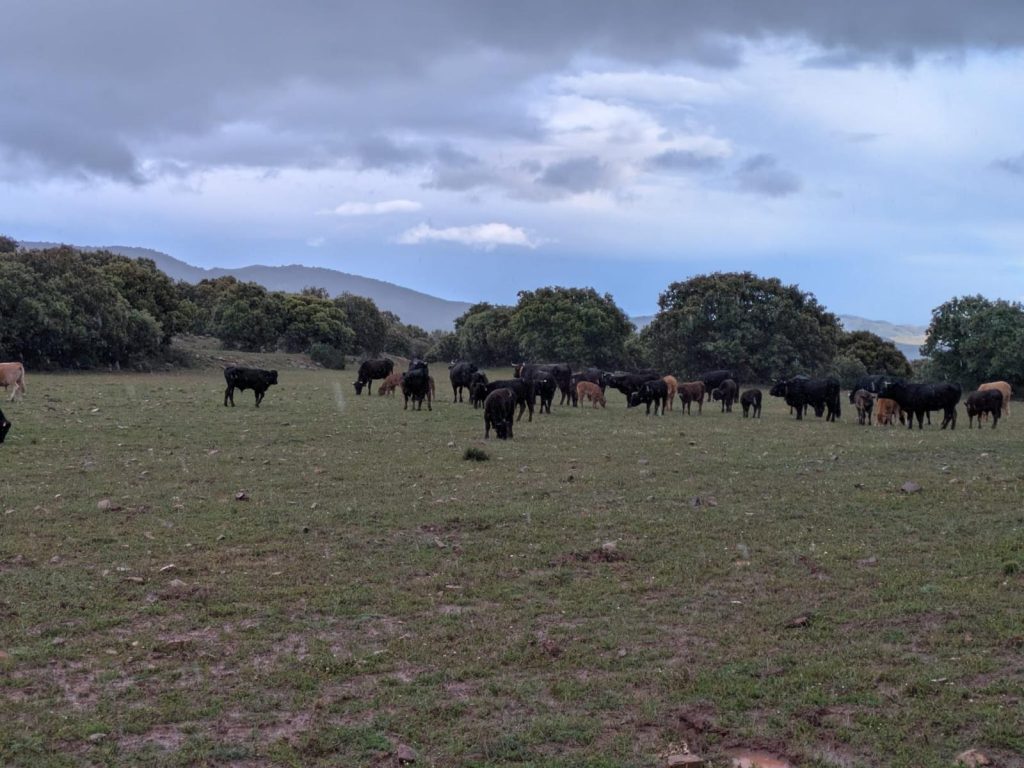
From there, we moved to the farms around Moncayo Natural Park. Extensive grazing here shapes mountain habitats, helps prevent wildfires and keeps alive a centuries-old tradition of transhumant pastoralism.
At TuVaka Tribu, cattle move each year along a transhumance route between Soria and Zaragoza. The route passes straight through the natural park, and meat is 100% grass-fed and sold directly to consumers.
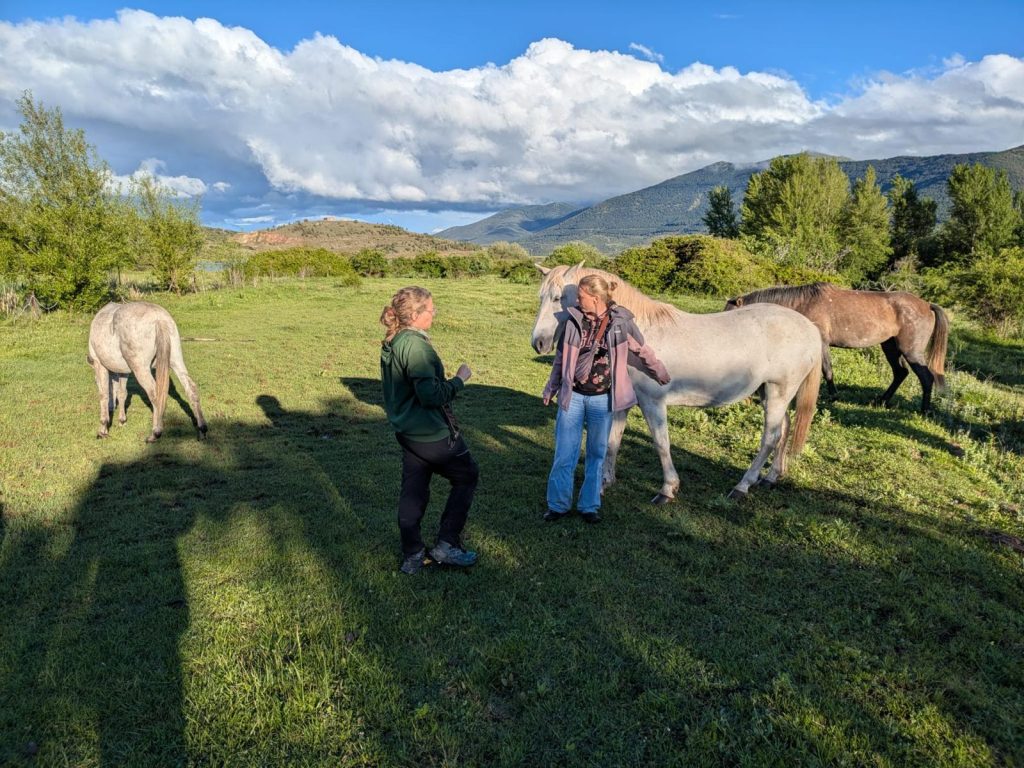
Nearby, in Aranda de Moncayo, Vacuno de Pastoreo manages another herd of cattle. It is also 100% grass-fed and sold directly, alongside a group manage of horses.
Meeting Stakeholders in Zaragoza
We closed the visit in Zaragoza, with meetings at the regional administration and at a research centre. These conversations connected the project with the policy context and the scientific work behind conservation grazing monitoring in the region. We headed home on 12 May.
Across four days and three very different settings, this conservation grazing partner visit gave us a much richer picture of how the practice adapts to local conditions. It also strengthened the working relationship between our two organisations.
A return visit — this time to Bunde Wischen’s sites in Schleswig-Holstein, Germany — is coming up in August 2026.
Leave a Reply