Building the visual identity of the Conservation Grazing Network Eu Project
— An initial step in the project has been to define the conservation grazing project visual identity, bringing together the main graphic elements that will support communication, recognition and coherence across all project activities. —
Establishing a consistent visual identity is essential to ensure that the project is easily recognisable and communicates its purpose clearly. In addition, it also helps to create a shared image across all communication materials and platforms, strengthening visibility over time.
As part of this process, we have defined the core elements of the project’s visual language, including the logo, favicon, main graphic composition, colour palette and typography.

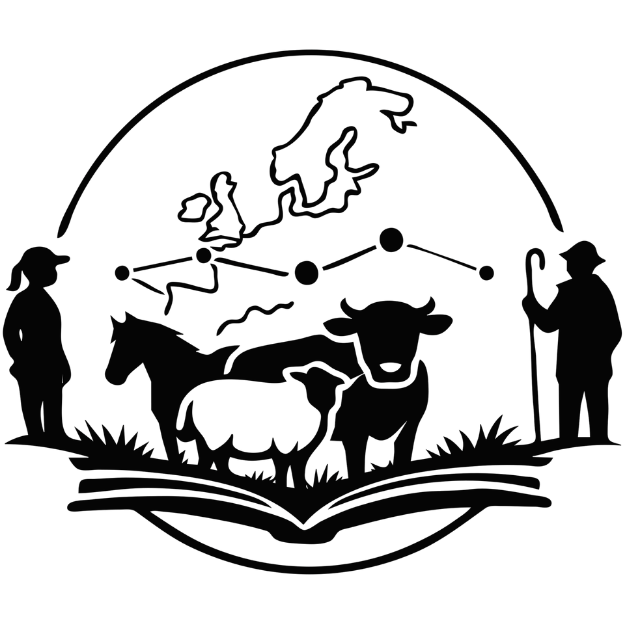
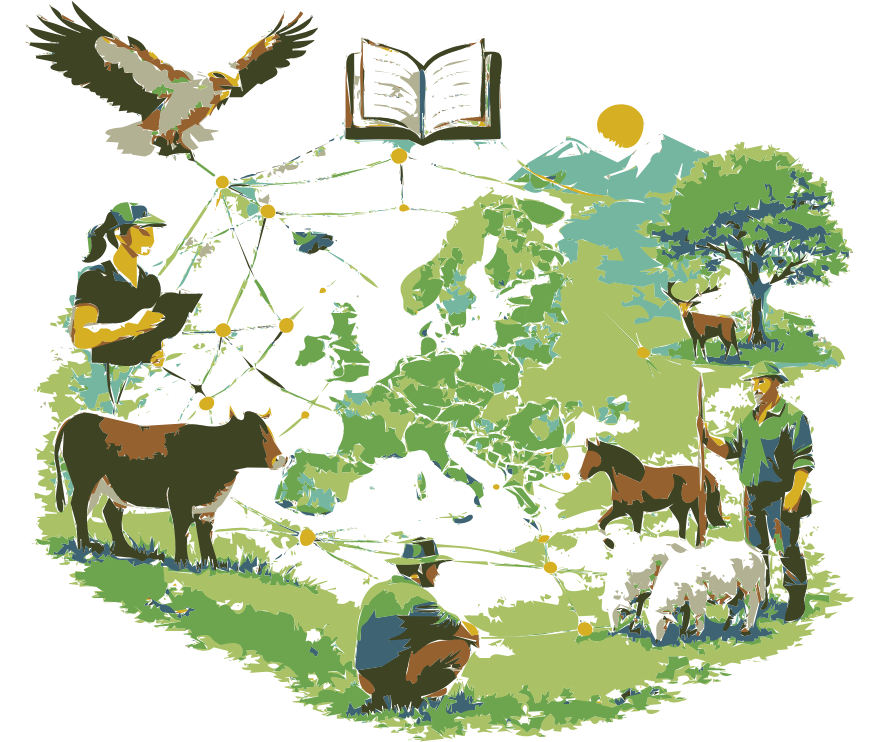
The visual identity has been designed to reflect the main values of the project. In particular, it combines elements linked to biodiversity, grazing systems and European cooperation, highlighting the connection between landscapes, livestock, people and knowledge exchange.
At the core of this approach, the main graphic composition represents a network of interactions across Europe, bringing together different actors involved – including farmers, technicians, researchers, landowners and public administration representatives – in conservation grazing. A shared framework connects farmers, land managers and practitioners and supports collaboration and learning. At the same time, the presence of livestock and natural elements reinforces the role of grazing as a tool for biodiversity conservation and land management.
To translate this concept into a simple and recognisable symbol, centred on livestock and connectivity. Therefore, we designed it to be clear, adaptable and easy to use across different formats, from digital platforms to communication materials.
In parallel, we selected a functional colour palette inspired by natural tones associated with grasslands, landscapes and ecological processes. In addition, the typography has been chosen to ensure readability and consistency across different types of content.
Although these elements are still basic at this stage, they provide a solid foundation for the development of the project’s communication. Looking ahead, we will continue to refine the visual identity as the project evolves.
More broadly, this work goes beyond design. Instead, it forms part of a broader effort to build a coherent project identity that supports communication, engagement and collaboration across different contexts.
By developing a clear visual identity, we aim to strengthen the recognition of the project and contribute to positioning conservation grazing as a practical approach to biodiversity conservation and sustainable land management across Europe.