
CONGRAZENETEU AT THE SERE 2026 CONFERENCE IN BREST, FRANCE
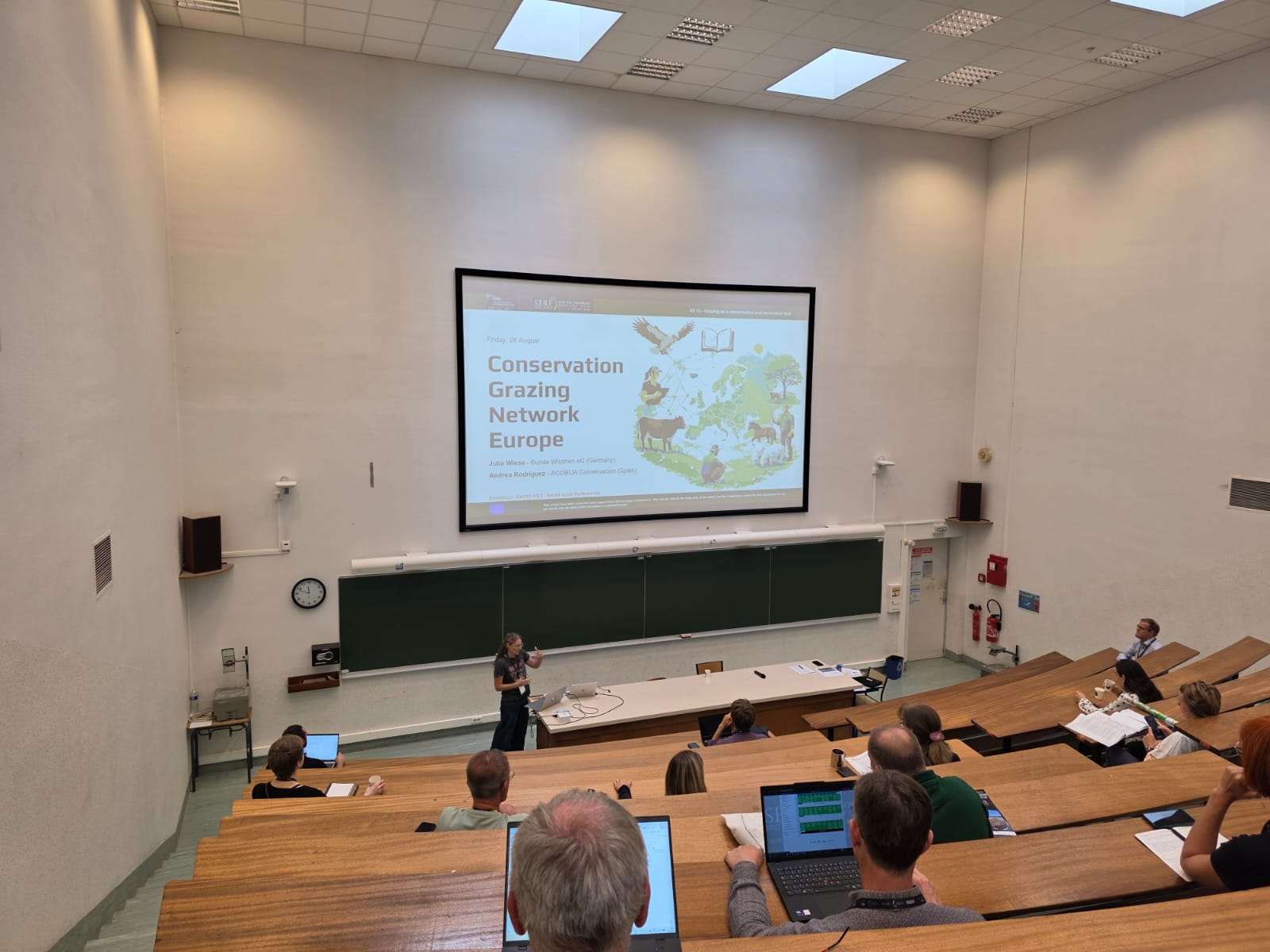
ConGrazeNetEU travelled to Brest for the SER Europe conference, to present the project in a session on Grazing as a Conservation and Restoration Tool, together with two partner posters.
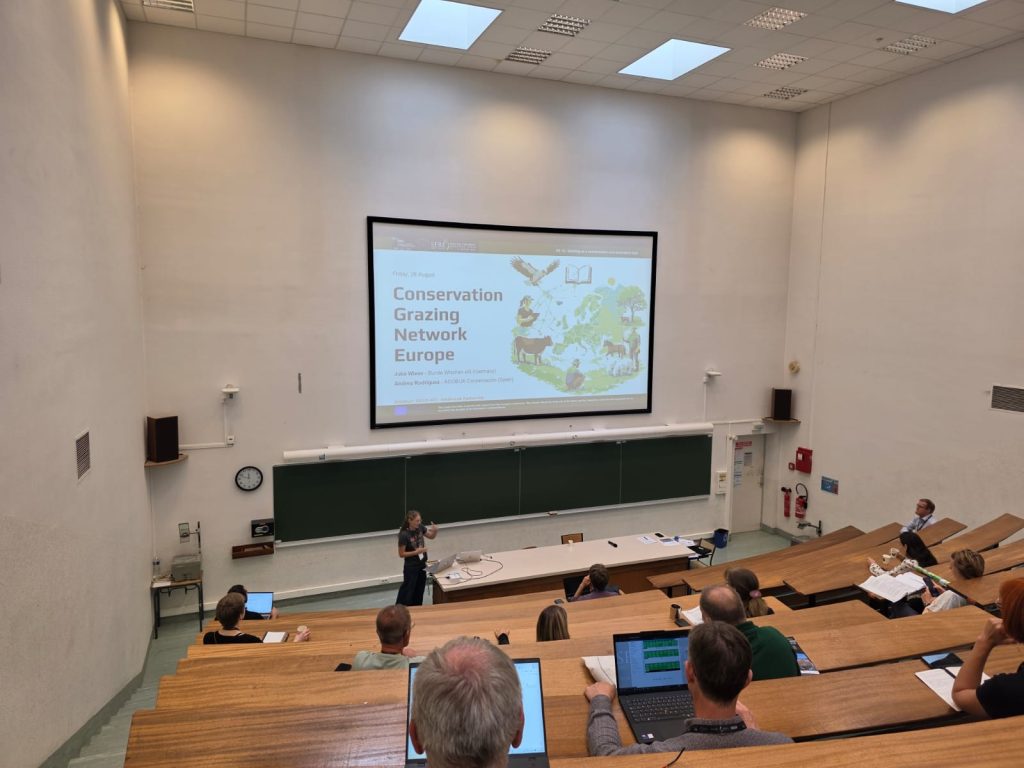
Right after the second ConGrazeNetEU partner visit in Germany (21–23 August), the project members travelled on to Brest, France. There, we presented the project at the SERE 2026 conference of the Society for Ecological Restoration Europe. From 24 to 28 August, more than 650 researchers, practitioners, policymakers and students from 52 countries met for five days of science, policy and practice.
Combining both activities in one trip also gave the partners time to prepare the presentation together during the visit. For a project focused on conservation grazing, SERE was therefore the perfect place to discuss grazing as a restoration tool. In addition, it was a chance to learn from others working to restore Europe’s ecosystems.
Why grazing matters for restoration
Grazing animals shaped many of Europe’s most valuable habitats over centuries, for example heathlands, grasslands, wood pastures and wetland edges. However, when grazing disappears, these open landscapes slowly turn into scrub and forest. As a result, the species that depend on them are lost.
Nature conservation is not only about planting trees or removing pressures. In many places, it also means bringing back the right animals, in the right numbers, at the right time. This is the idea behind conservation grazing, and it is the common thread linking the work of ACOBIJA in Aragón and Bunde Wischen in Schleswig-Holstein.
Session: Grazing as a conservation and restoration tool
On Friday 28 August, session SS13 brought together speakers working on grazing from different angles, from EU policy to large herbivore ecology:
- Jan-Erik Petersen (European Environment Agency): Extensive livestock systems and Annex I habitats
- Markus Handschuh (Naturnahe Weidelandschaften e.V.): Large herbivores shaping European ecosystems
- Anton Kvarnbäck (European Environment Agency): EU guidance on habitat condition under the Habitats Directive and the Nature Restoration Regulation
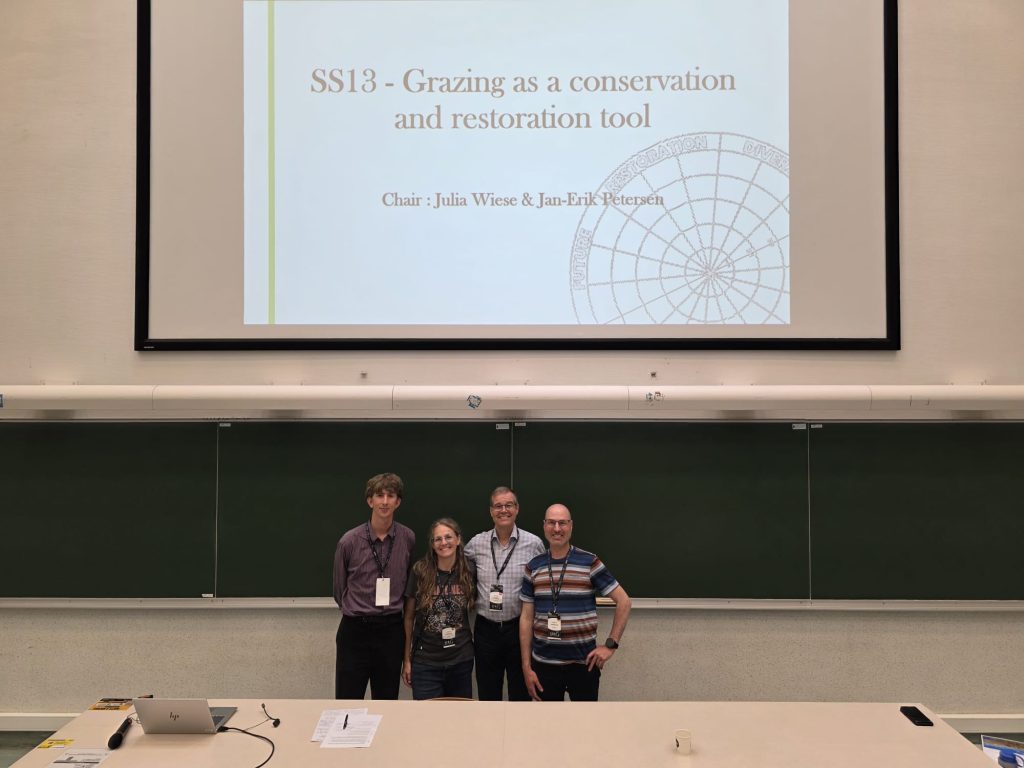
ConGrazeNetEU also took part in this session. The talk introduced the project, which is building a European network of people working with conservation grazing. This network includes shepherds and farmers, researchers, conservation organisations and public authorities. Finally, the talk invited participants to join the online community, take part in the forum and share their own experience.
Two posters, two perspectives
Both partners also presented a poster at the conference:
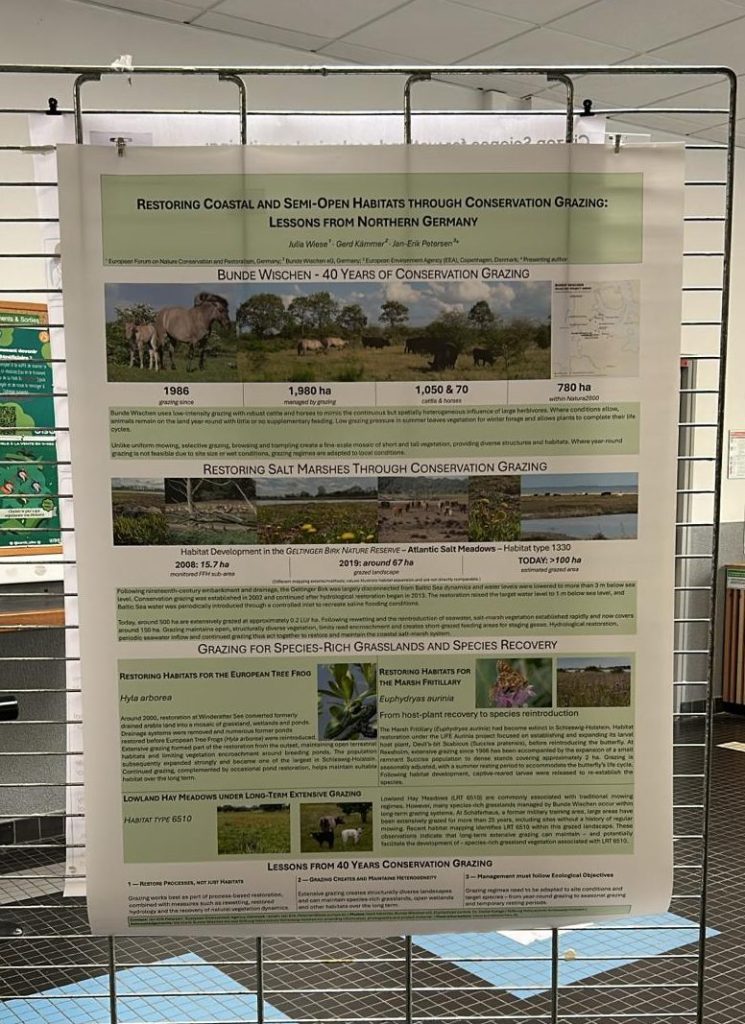
- Bunde Wischen eG: Restoring Coastal and Semi-Open Habitats through Conservation Grazing: Lessons from Northern Germany. The poster summarised 40 years of conservation grazing since 1986, on around 1,980 ha with more than 1,000 cattle and 70 horses. Examples included the restoration of Atlantic salt meadows at the Geltinger Birk nature reserve, the recovery of the European tree frog and the marsh fritillary, and species-rich lowland hay meadows maintained by long-term extensive grazing.
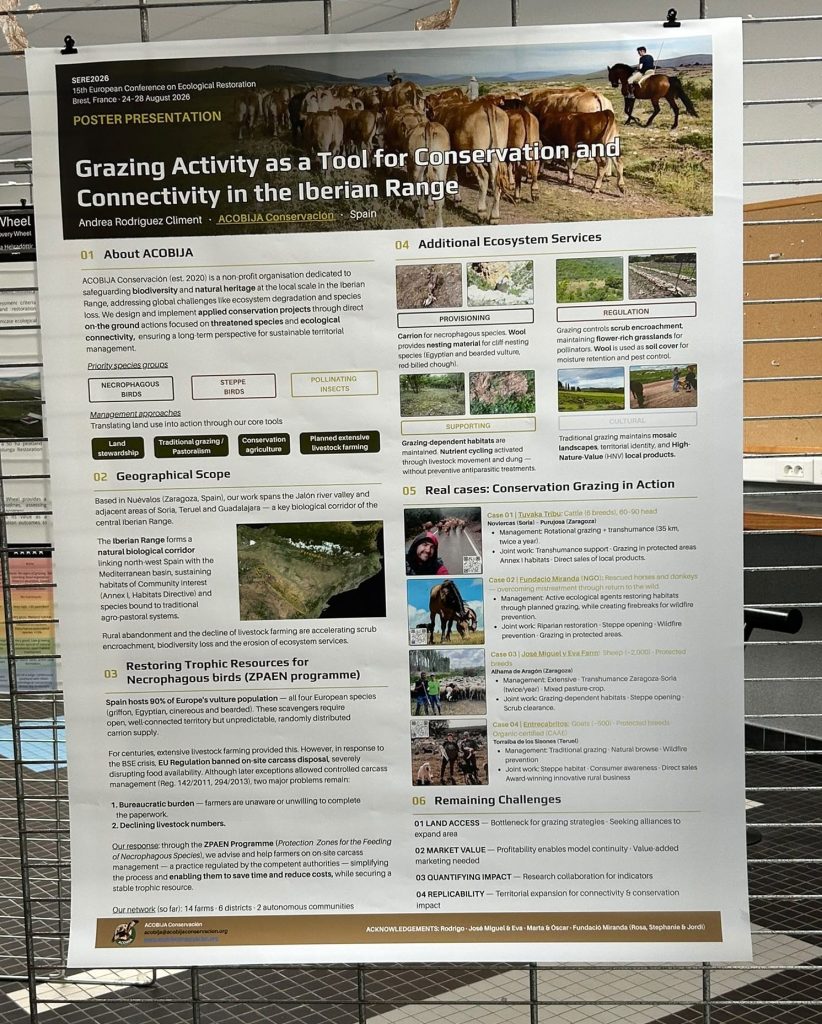
- ACOBIJA: Grazing Activity as a Tool for Conservation and Connectivity in the Iberian Range. The poster presented the Iberian Range as a key biological corridor between north-west Spain and the Mediterranean basin, where rural abandonment is driving scrub encroachment and biodiversity loss. It showed the ZPAEN programme, which supports farmers in leaving carcasses in the field for vultures and other necrophagous birds, the ecosystem services provided by extensive grazing, and four real cases of conservation grazing with cattle, sheep, goats and rescued horses and donkeys.
SERE Conference 2026: Key takeaways
For ConGrazeNetEU, SERE 2026 was much more than a presentation. The conference was an opportunity to make the project known to a wide European audience, meet people working with grazing as a restoration tool in other countries, and open the door to new alliances and future collaborations. Many of these contacts are now invited to join the network and share their experience in the forum.
Beyond session SS13, other sessions brought valuable knowledge on nature conservation and ecological connectivity: how to restore links between habitats, how to work at landscape scale, and how to involve the people who live and work in the territory. All these ideas will feed into the project’s next steps and into the work of both partners on the ground.
Do you work with grazing for conservation or restoration, wherever you are in Europe? Join the ConGrazeNetEU forum, share your experience and become part of the network.
Leave a Reply