Conservation Grazing
Grazing as a tool for Nature Restoration and Biodiversity Conservation in Europe
Conservation grazing refers to the planned use of livestock to maintain, restore and enhance biodiversity-rich habitats and ecological processes.
Across Europe, many valuable landscapes and semi-natural habitats have been shaped over centuries through extensive grazing practices carried out by pastoral and farming communities. Today, conservation grazing is increasingly recognised by researchers, conservation organisations and European institutions as an important management tool for maintaining ecological diversity and supporting ecosystem resilience.


What is Conservation Grazing?
Conservation grazing refers to the planned use of grazing animals to maintain, restore and enhance biodiversity-rich habitats and ecological processes. Unlike intensive livestock systems, it focuses on adapting grazing management to the ecological needs of habitats, species and landscapes.
Across Europe, many valuable landscapes and semi-natural habitats have been shaped over centuries through extensive grazing practices carried out by pastoral and farming communities. Today, conservation grazing is increasingly recognised by researchers, conservation organisations and European institutions as an important management tool for maintaining ecological diversity, supporting ecosystem resilience and preserving open habitats linked to traditional low-intensity grazing systems.
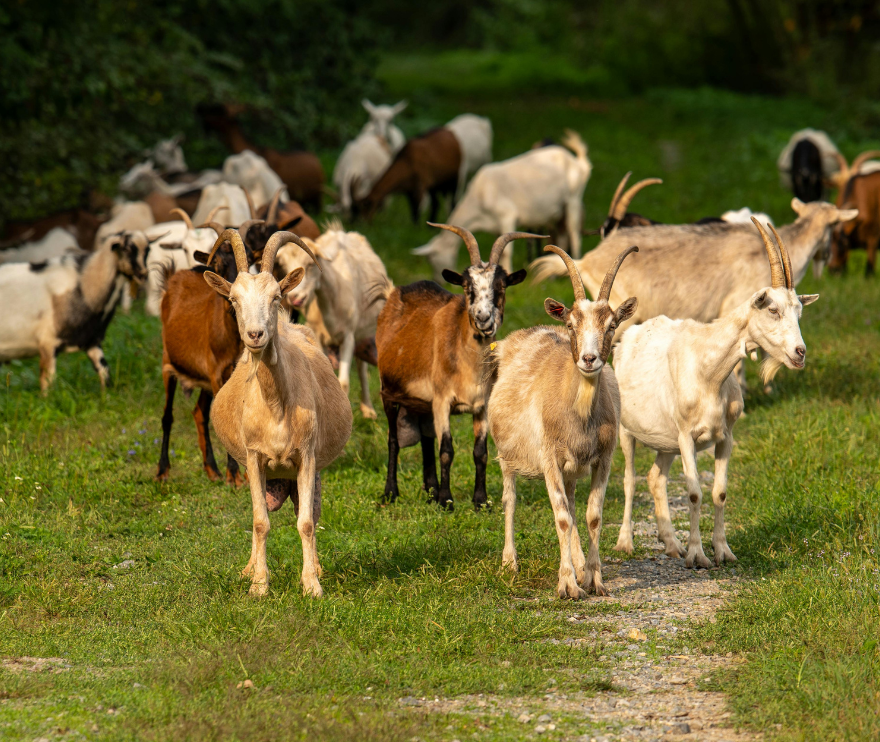
Depending on the ecological context and conservation objectives, conservation grazing can involve cattle, sheep, goats, horses or semi-wild herbivores.
Why does it matter?
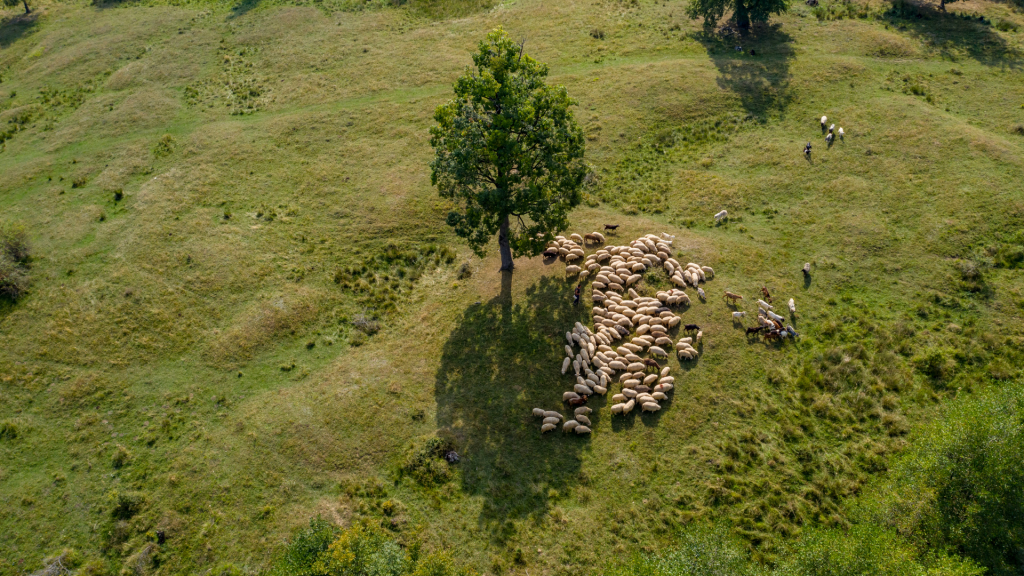
Many European landscapes of high ecological value depend on extensive grazing to maintain their structure and biodiversity. The European Union recognises the importance of these systems through the Habitats Directive (92/43/EEC), which includes numerous grazing-dependent habitats within the Natura 2000 network.
Many of these areas are also classified as High Nature Value (HNV) farmlands, where low-intensity farming practices support exceptional levels of biodiversity and habitat diversity.
The decline or abandonment of traditional grazing practices can contribute to habitat degradation, loss of open landscapes and increased wildfire risk. For this reason, conservation grazing is increasingly considered an important management approach for supporting biodiversity conservation and resilient rural landscapes across Europe.
Conservation grazing in action

Biodiversity Conservation
Supports species-rich grasslands, pollinators, farmland birds and other wildlife linked to open and heterogeneous habitats

Habitat Management
Helps maintain grazing-dependent habitats protected under the Habitats Directive and the Natura 2000 network

Landscape Resilience
Contributes to vegetation management, ecological connectivity and wildfire risk reduction in vulnerable landscapes

Cultural Landscape
Supports pastoral knowledge, traditional land-use practices and the social value of extensive livestock systems
Understanding Ecological Context
The ecological effects of grazing vary depending on habitat type, livestock species, grazing intensity, seasonal patterns and local environmental conditions. For this reason, conservation grazing cannot rely on a single management approach.
Effective grazing strategies should be carefully planned, monitored and adapted to specific conservation objectives, ecological conditions and landscape characteristics. Combining scientific knowledge with local experience and adaptive management is often essential to achieve positive long-term outcomes for biodiversity and habitat conservation.
Conservation Grazing in Europe
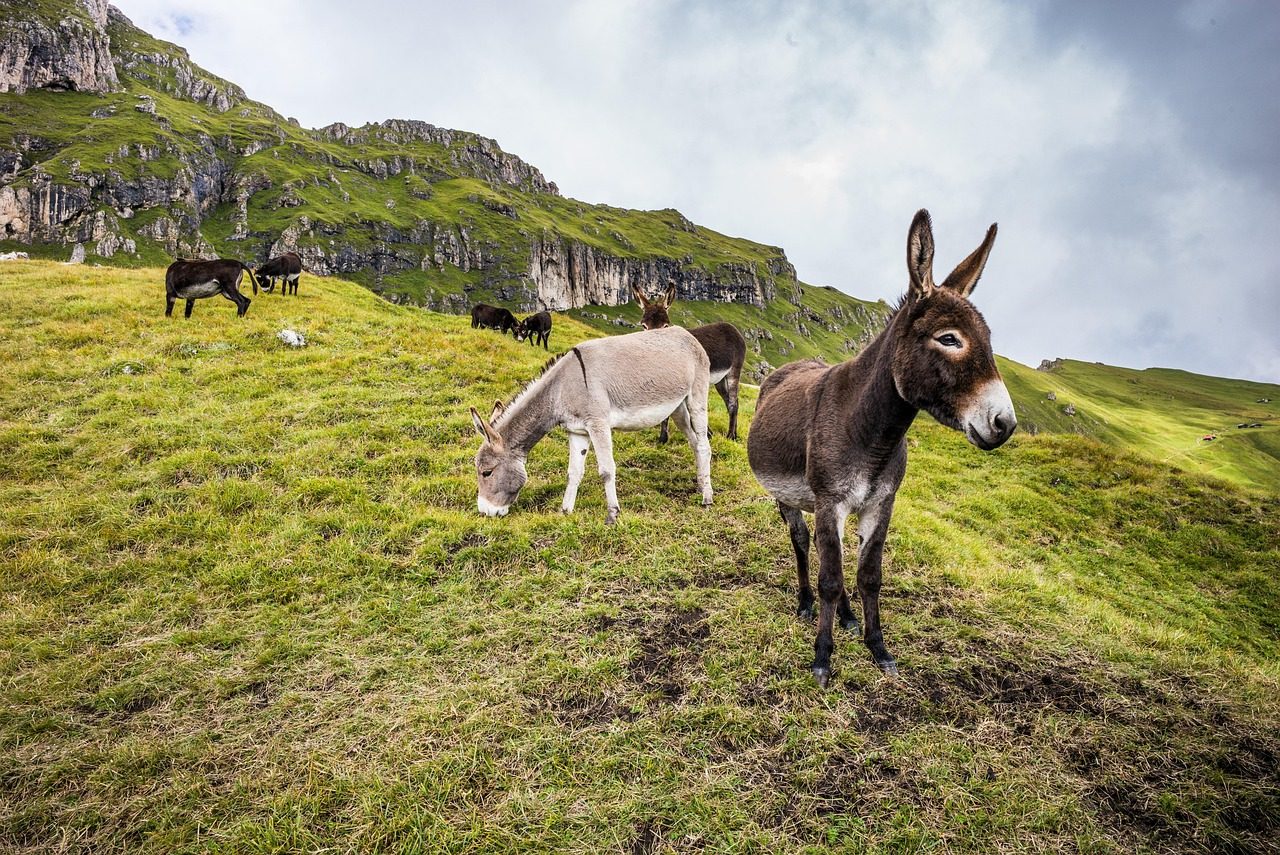
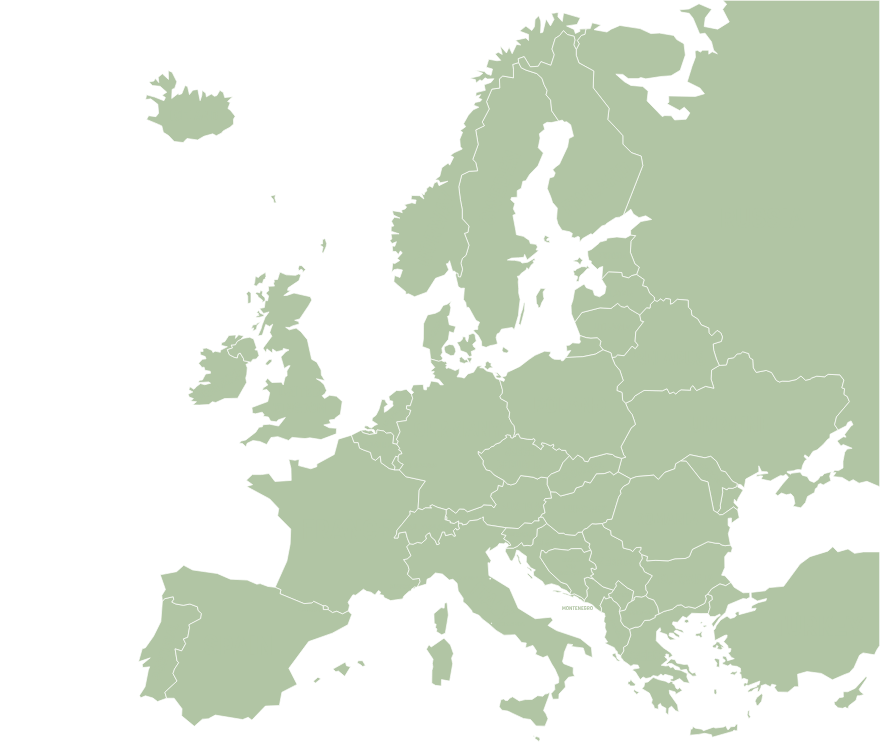
Across Europe, conservation grazing is used in a wide variety of landscapes, including semi-natural grasslands, heathlands, wetlands, mountain areas, Mediterranean ecosystems and Natura 2000 sites.
Many of these landscapes are recognised for their high ecological value and depend on extensive grazing systems to maintain habitat diversity and ecological processes. Conservation grazing therefore plays an important role in connecting biodiversity conservation, sustainable land management and rural cultural landscapes.
ConGrazeNetEU aims to strengthen this European exchange by connecting practitioners, researchers, farmers, land managers and conservation organisations working on grazing-based approaches to nature conservation and ecosystem management.
Conservation Grazing in Action

European Forum on Nature
Conservation and Pastoralism – EFNCP
European network dedicated to understanding and supporting pastoral systems and high nature value farming landscapes since 1988.

LIFE SHEP FOR BIO
The project aims to restore three targeted grassland habitats by improving pastoral management in Natura 2000 sites in the Apennines.
Title
Paragraph
Title
Paragraph
Title
Paragraph